Social and emotional learning (SEL) is the process through which children and adults acquire and effectively apply the knowledge, attitudes, and skills necessary to understand and manage emotions, set and achieve positive goals, feel and show empathy for others, establish and maintain positive relationships, and make responsible decisions (CASEL, 2015).
Through the arts-based approaches, students build on their competencies in creativity, critical thinking, self-efficiancy, communication, and interpersonal skills.
In 2017, 42% of students across programs showed growth in critical questioning and curiosity, a statistically significant finding.
60% of students across programs showed growth in collaboration and learning from critiques, a statistically significant finding.
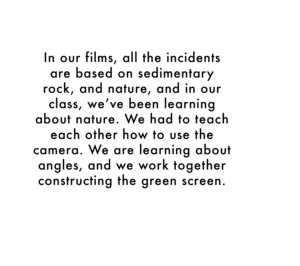
Inspiring excitement is the first step toward achieving learning outcomes. UAP transforms the learning environment by providing multiple entry points using a variety of art forms to engage – different types of learners (visual, kinesthetic, auditory, and tactile) and encouraging connection among peers. Through the arts, students play, imagine, and respond to class content from their own experiences.
Through activities rooted in artistic inquiry, UAP engages students in a process of discovery that increases the depth of their understanding and confidence about their choices. By asking questions, collaborating and brainstorming, students are able to develop and amplify their unique self-expression and exert influence over their own work. Celebrating successes and examining failures encourages students to actively explore and contribute to their world.
By aligning our curricula and lesson plans with subject-specific learning standards and the Common Core, as well as establishing collaborative co-teaching relationships with partner schools, we ensure that students gain a deep understanding of academic material.
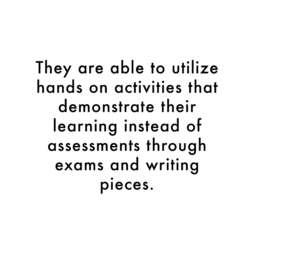
This is demonstrated through both traditional and alternative forms of assessment. UAP students have shown progress in reading, writing, critical analysis, and social studies content, among other academic outcomes.
Our co-teachers value arts-integrated instruction because it helps students learn academic content through acquiring language and writing skills, connecting academics to their lived experiences, developing analytical skills, and increasingly valuing academics.